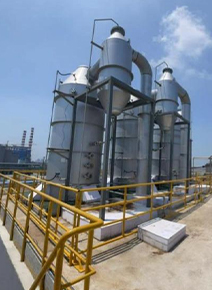

Coordinated disposal of fly as…



1. Fly Ash: The "Environmental Burden" of Waste Incineration
Waste incineration fly ash is a fine powder with low bulk density primarily collected during municipal solid waste incineration for power generation, mainly from flue gas ducts, flue gas purification devices, cyclone separators, and baghouse dust collectors. Due to its high content of carcinogenic substances such as heavy metals and dioxins, as well as other hazardous materials, fly ash is classified as hazardous waste under code 772-002-18.
The proportion of domestic waste incineration treatment in China continues to rise, with fly ash generation exceeding 10 million tons per year. The fly ash yield varies across different incineration processes: circulating fluidized bed systems produce approximately 10–15% of fly ash, while grate furnaces generate 3–5%. Traditional landfill methods not only occupy land resources but also pose long-term environmental risks.
2. Resource Utilization Technology Route: Three Steps to Turn Waste into Treasure
The core process of fly ash resource utilization mainly includes three key steps: Step 1: Raw material leaching (water washing and desalination) Using three-stage or multi-stage countercurrent washing technology, fly ash is mixed with water in a specific ratio to form a slurry, removing soluble chlorides (mainly sodium chloride and potassium chloride) from the fly ash. After water washing, the removal rate of soluble substances in the fly ash can reach over 95%.
Step 2: Purification of Leaching Solution The leaching solution contains impurities such as heavy metals and calcium/magnesium ions, which require advanced purification through measures like adding heavy metal chelating agents and softening treatment. The purified leaching solution primarily contains Cl⁻, Na⁺, and K⁺, meeting the water quality requirements for subsequent salt production by evaporation.
Step 3: Crystallization and Salt Separation The process combines MVR evaporation crystallization with cooling crystallization to achieve efficient separation of potassium chloride and sodium chloride. Due to the difference in solubility characteristics between potassium salts and sodium salts, sodium salts are typically subjected to evaporation crystallization, while potassium salts undergo cooling crystallization. The separated products meet industrial-grade standards, with condensate TDS ≤500mg/L, and are recycled for reuse.
3. Market Value: Remarkable Economic Benefits
Taking a medium-sized waste incineration plant as an example, the fly ash leachate flow rate is approximately 40 m³/h, yielding an annual extraction capacity of 14,000 tons of sodium chloride and 8,000 tons of potassium chloride. With sodium chloride priced at 100 yuan/ton and potassium chloride at 2,000 yuan/ton, the annual revenue from salt product sales alone reaches about 17.4 million yuan. When combined with subsidies for hazardous fly ash treatment, the economic benefits are highly significant.
4. JoyFa Plan: Assisting in Fly Ash Resource Utilization
As a national high-tech enterprise, Suzhou JoyFa Environmental Technology Corp.Ltd. has specialized in evaporation crystallization for over a decade, with mature MVR evaporation crystallization technology and system solutions for potassium-sodium salt separation from fly ash. The company's independently developed evaporation salt separation process precisely controls crystallization separation nodes, ensuring potassium and sodium salt products meet industrial application standards while achieving near-zero wastewater discharge. This provides strong support for the green and low-carbon transformation of the waste incineration industry.
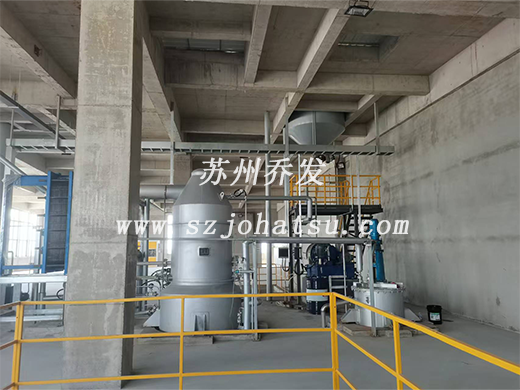
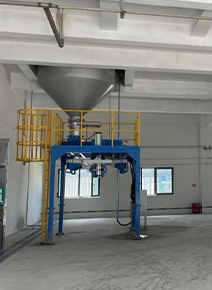
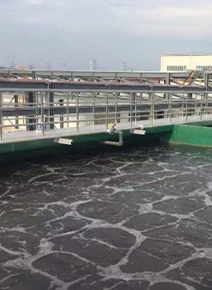
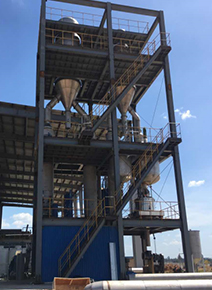
JoyFa's client cases:
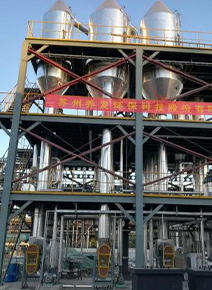
DaTan Red Lion Project-8t/h MVR Evaporator Salt Separation System
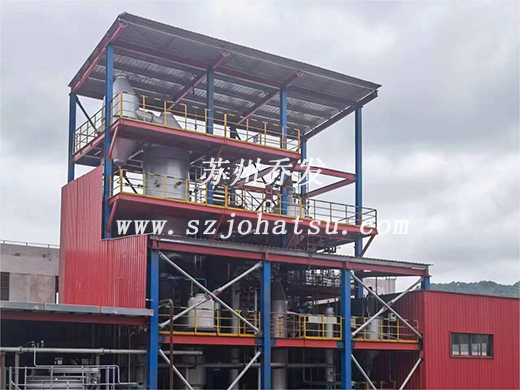
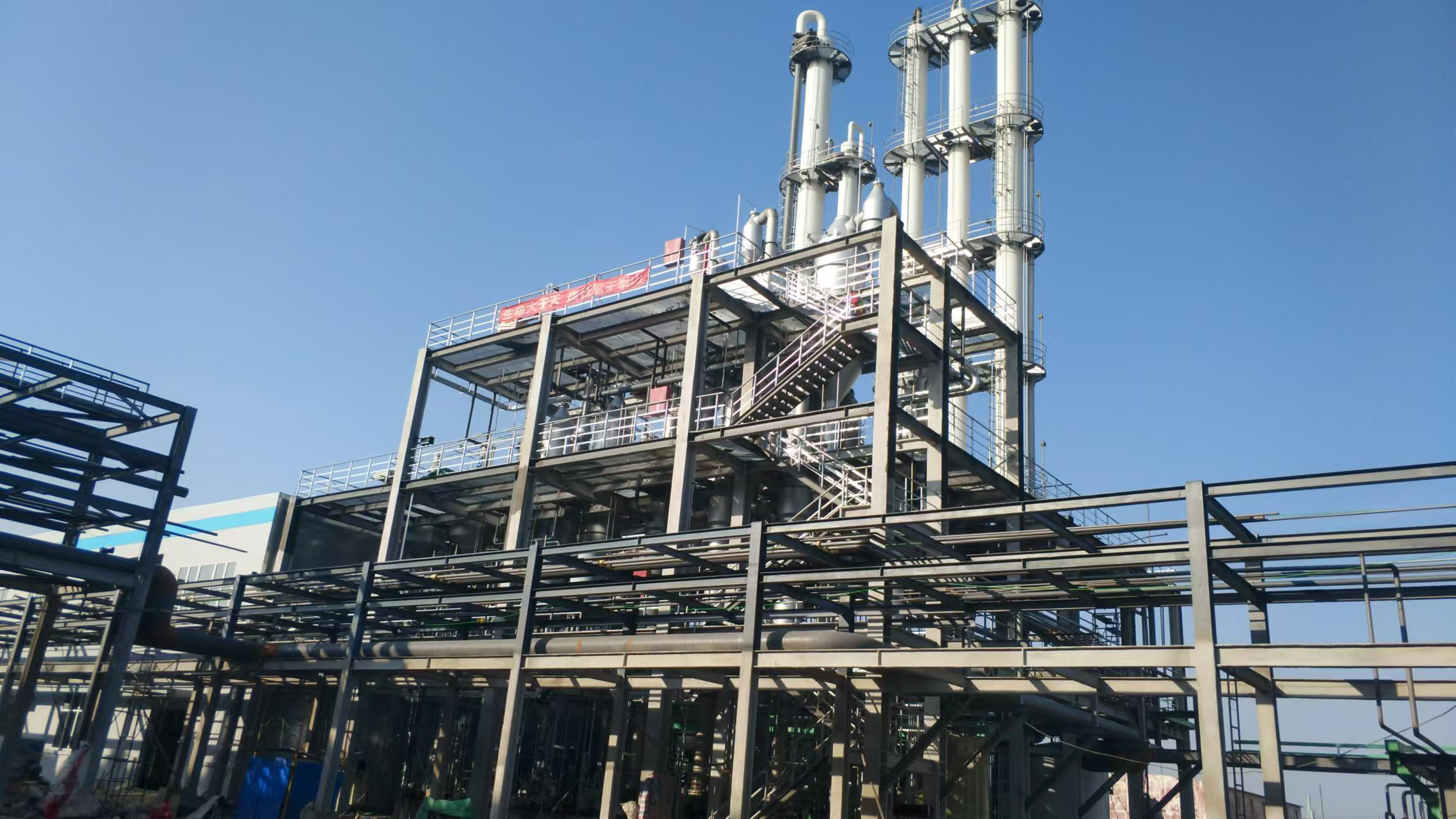
Longli Red Lion Project-15t/h MVR Evaporator Salt Separation System
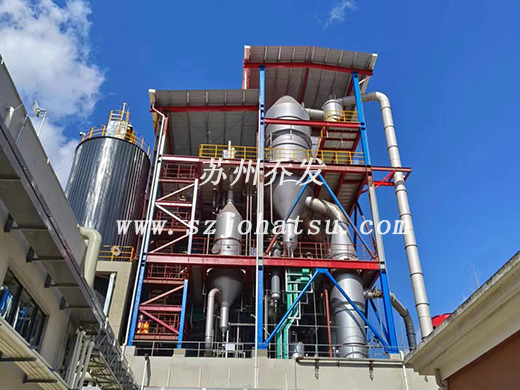
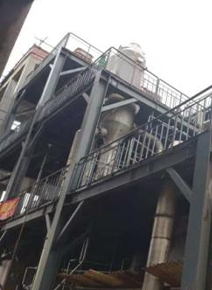
LongYou RedLion Project-8t/h MVR Evaporator Salt Separation System
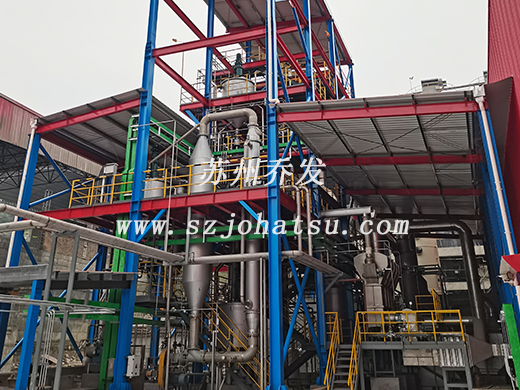
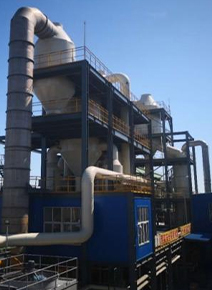
Lushun Project-9t/h MVR Evaporator Salt Separation System