
Coordinated disposal of fly as…



In the lithium battery industry, it is well known that zero discharge and resource utilization of mother liquor and high-salt wastewater are essential requirements. While environmental impact assessments are approved, routine inspections pass, and daily operations run smoothly, production costs remain high, hazardous waste volumes are substantial, and repeated failures in environmental reviews occur.Why?Most likely, you've stumbled upon a common pitfall in the industry.
1. The "Four Major Pain Points" in Lithium Battery Production Wastewater Treatment
(1) The composition of water quality is complex and diverse
The lithium battery production lines involve a wide variety of categories, with significant differences in water quality across processes such as ternary, lithium iron phosphate, and lithium salt purification. The water contains heavy metals like lithium, nickel, cobalt, and manganese, along with ammonium, high salinity, and complex impurities. A single process cannot accommodate all water quality types, leading to a substantial increase in treatment difficulty.
(2) Extreme fluctuations in water quality and quantity
Switching production batches, equipment cleaning, precursor feeding, and capacity expansion debugging can all lead to sudden water quality changes, with extreme fluctuations in salt, heavy metal, and ammonia nitrogen concentrations. During peak mass production, wastewater load doubles, making the evaporation treatment system highly prone to load imbalance and operational instability.
(3) High difficulty in recycling valuable materials
The production mother liquor and lithium precipitation tailings contain large amounts of soluble lithium salts, metal ions, and sodium salts, with strong impurity coupling. Traditional processes cannot achieve precise salt separation and purification, leading to the disposal of these materials as waste and the direct loss of valuable resources.
(4) High maintenance costs of traditional craftsmanship
The conventional multiple-effect evaporation system suffers from high energy consumption and rapid wear of consumables, making it unsuitable for the highly corrosive and scaling-prone characteristics of lithium battery wastewater. This results in frequent equipment shutdowns for maintenance, compounded by rising annual costs for hazardous waste disposal.
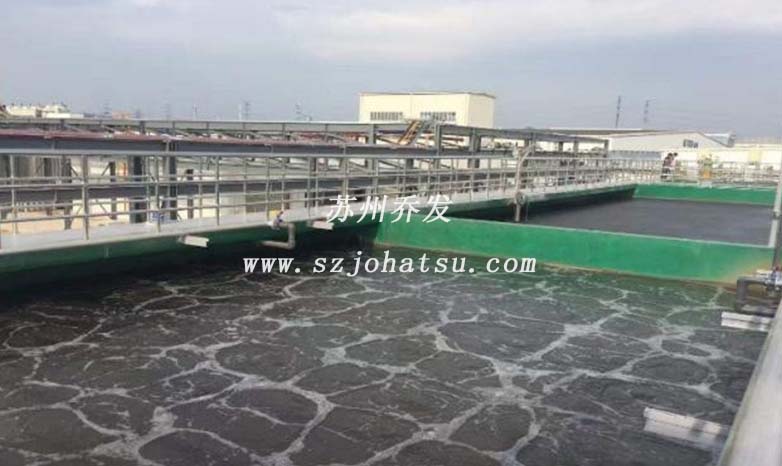
2、 Four misconceptions that 80% of lithium battery companies must overcome
(1) Only treat wastewater to meet standards, without resource recycling
Most enterprises only focus on meeting effluent standards in water treatment, neglecting the purification of valuable metals in mother liquor and tail liquid, and directly solidifying and disposing of lithium and salt containing waste liquids. Seemingly compliant with pollution regulations, it actually wastes raw materials, resulting in high long-term production costs and inability to achieve cost savings and revenue generation.
(2) Mixed collection and treatment of wastewater from different categories
Lithium battery waste water is divided into four categories: precursor mother liquor, fluorine-containing heavy metal wastewater, lithium settling tailings, and cleaning wastewater, with completely different impurities, salts, and acidity/alkalinity. Collecting without distinguishing between quality and separation, and uniformly mixing and steaming treatment will exacerbate equipment scaling and corrosion, result in substandard purification purity, and significantly increase processing energy consumption.
(3) Omit preprocessing and directly enter the evaporation system
The composition of lithium battery wastewater is complex: it contains high hardness calcium and magnesium ions, fluoride ions, phosphate ions, carbonate ions, heavy metals, suspended solids, colloids, surfactants, COD organic matter, and high salts. Direct evaporation will cause problems in equipment loss, operating efficiency, safety, product crystallization quality, and operation and maintenance costs in all aspects.
(4) Adhere to traditional evaporation processes without upgrading energy-saving equipment
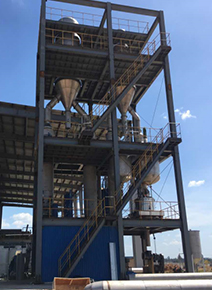
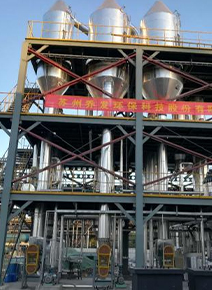
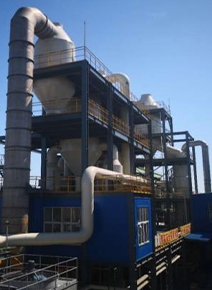
The old multi effect evaporation process consumes a large amount of external steam and has high manual operation and maintenance costs, making it unsuitable for the continuous mass production of lithium batteries. JoyFa Technology independently develops customized MVR evaporators that are suitable for lithium batteries with strong corrosion and easy scaling water quality. They operate stably for a long time and have outstanding energy-saving and consumption reducing effects.
3、 Standardized treatment ideas for improving the quality and reducing costs of lithium battery wastewater
Having been deeply involved in the resource utilization of lithium batteries for many years, JoyFa Technology is tailored to the mass production conditions of lithium batteries, creating a closed-loop process that takes into account environmental compliance, energy conservation and consumption reduction, and resource revenue generation
Quality and flow separation: Collect precursor mother liquor, cleaning wastewater, and lithium deposition waste liquid by classification, match with exclusive pretreatment schemes, and reduce treatment difficulty from the source.
Pre processing: equipped with processes such as deamination, deep weight removal, and organic degradation to remove interfering impurities, protect the back-end evaporation unit, and ensure crystal purity.
MVR evaporation crystallization: relying on core MVR evaporation technology, it recovers secondary steam cycle heating, reduces external steam consumption, and is suitable for 24-hour continuous production conditions of lithium batteries.
Accurate salt separation and purification: Differentiated crystallization process, separating valuable materials such as lithium salts and sodium salts, producing industrial grade finished salt and battery grade lithium raw materials.
Water recycling: After treatment, clean water meets the standard for reuse in production, reducing hazardous waste and lowering the cost of discharge and solid waste disposal.
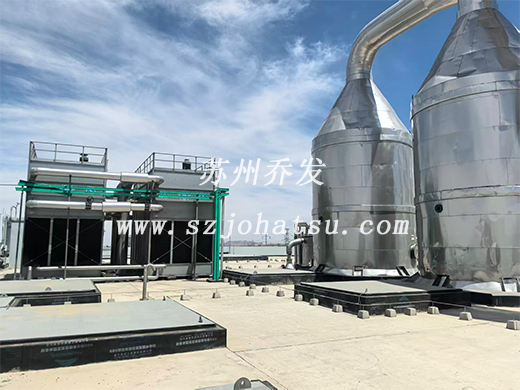
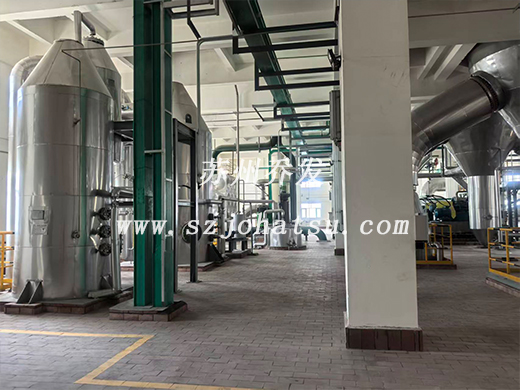
4、 Practical Insights from Benchmark Projects
Benchmark Project: Jiangsu Dangsheng Lithium Battery Resource Utilization Demonstration Project
Project pain points: Low recovery rate of valuable materials from mother liquor, large output of hazardous waste, increasing operation and maintenance costs of water treatment throughout the plant year by year, and difficulty in controlling ammonia gas emissions.
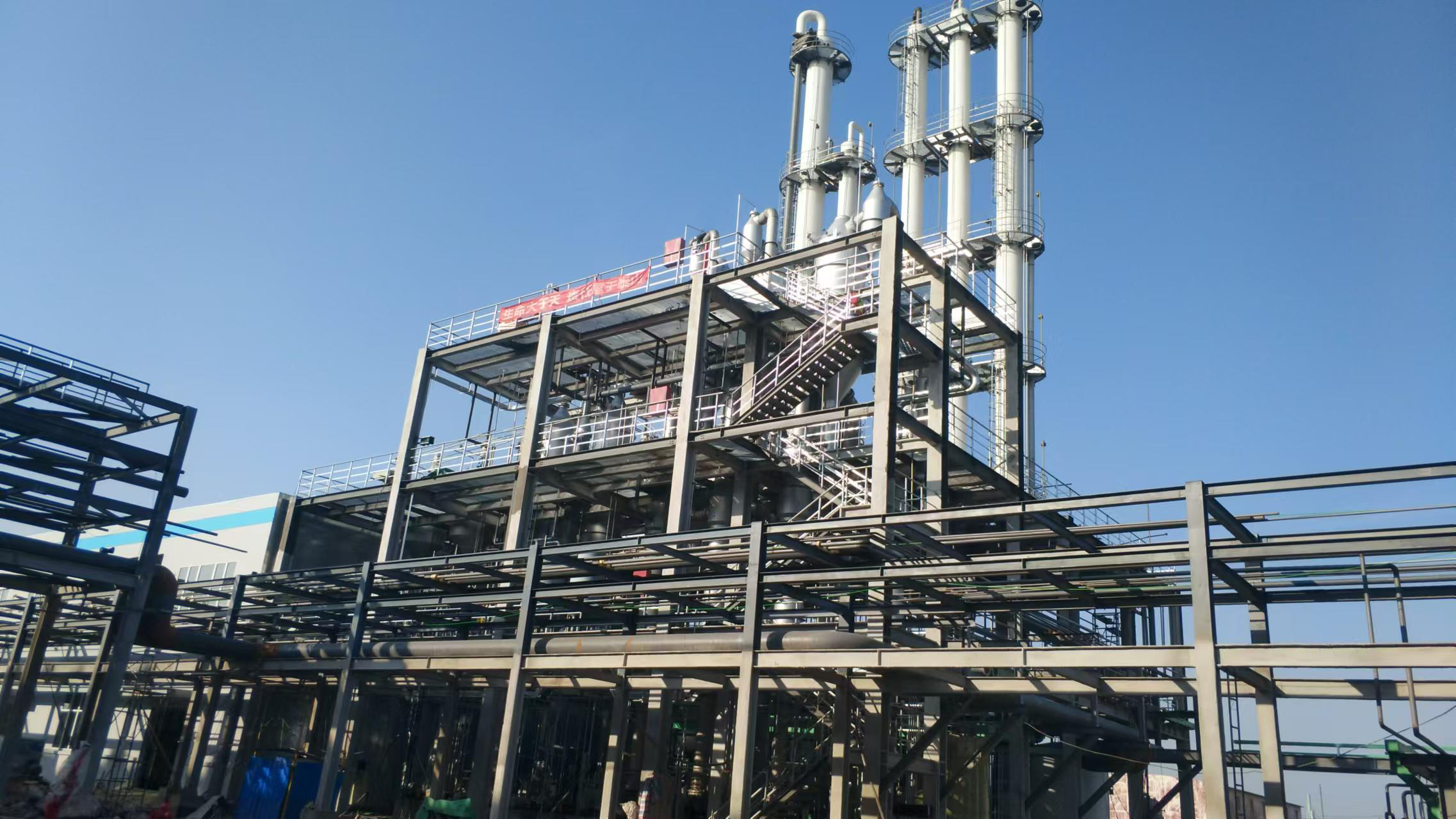
JoyFa Upgrade Plan: Build an integrated system for mother liquor treatment, washing water reuse, and ammonia gas treatment, equipped with a complete set of processes including deamination, deep weight removal, and customized anti-corrosion MVR evaporation crystallization, exclusively adapted to the water quality conditions of ternary precursors.
Core parameters of the project:
✅ Processing raw materials: mother liquor for ternary lithium battery precursor production, production line cleaning water, workshop ammonia gas exhaust gas
✅ Complete process: deamination+deep weight removal+customized MVR evaporator+membrane washing water reuse+ammonia spray absorption integrated system
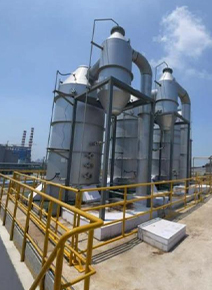
✅ Processing scale: precursor mother liquor 1000t/d, evaporation capacity 41t/h; 360t/d precursor washing water; Equipped with two sets of ammonia spray absorption towers
✅ Project value: Recycling 20 ± 1% high-purity concentrated ammonia water, ensuring stable and compliant effluent for reuse in production; Recycled sodium sulfate meets the requirements of GB/T6009-2014 "Industrial anhydrous sodium sulfate" Class I first-class product, and the precursor powder is recycled and reused; Compliant emission of ammonia exhaust gas.
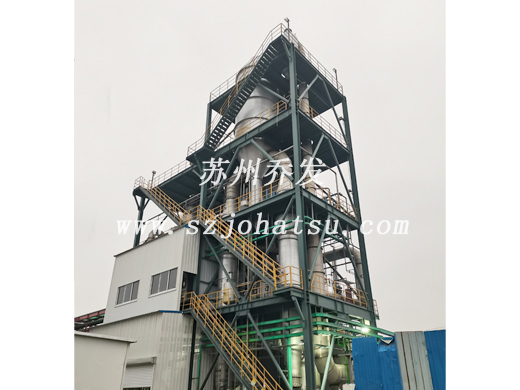
Lithium ion water treatment has never been a single standard, but a trinity of compliance, energy conservation, and resource utilization. Only by selecting the right adaptation process and customizing MVR equipment can we avoid operation and maintenance pitfalls, cut off excess costs, and activate waste liquid resources. JoyFa Technology is deeply involved in the lithium battery industry, relying on self-developed MVR evaporation and precise salt separation core technologies to provide one-stop services for customized solutions, intelligent equipment manufacturing, and on-site operation and maintenance, helping lithium battery enterprises achieve long-term cost reduction, green mass production, and jointly build a new energy and low-carbon industrial chain.